What Are the Latest Commercial Cleaning Trends Australian Businesses Should Know in 2026?
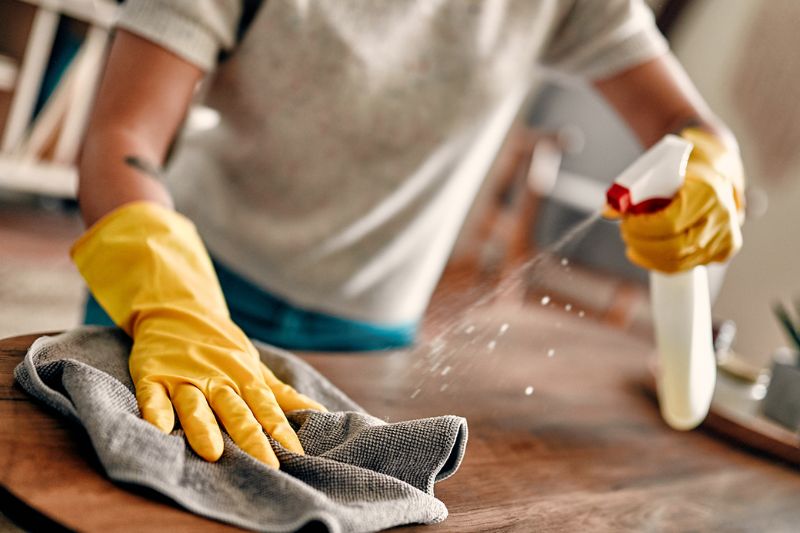
Commercial cleaning is changing as Australian businesses place greater attention on workplace hygiene, sustainability, efficiency and measurable cleaning results. In 2026, professional cleaning is no longer simply about making an office or commercial property look presentable. Businesses are increasingly looking for cleaning programs that support healthier environments, reduce waste and adapt to how their buildings are actually being used.
So, what are the latest commercial cleaning trends Australian businesses should know in 2026? Here are several developments shaping modern commercial cleaning.
Is Sustainable Cleaning Becoming More Important?
Sustainability is becoming a greater consideration when businesses review their cleaning programs. Companies are looking at ways to reduce unnecessary chemical use, water consumption, packaging and waste without compromising hygiene.
Concentrated cleaning products, controlled dilution systems, reusable materials and water-efficient equipment are some of the approaches being used to improve efficiency.
For businesses, sustainable cleaning is not simply about using an “eco-friendly” label. The cleaning process should still deliver the required hygiene and safety standards for the type of facility being maintained.
How Is Technology Changing Commercial Cleaning?
Technology is becoming increasingly useful for managing large or multi-site cleaning operations.
Digital inspection systems, electronic checklists, issue reporting and service records can give facility managers greater visibility into cleaning activities. Instead of relying entirely on paper checklists or verbal updates, businesses can use digital systems to document completed work and identify issues that require attention.
Larger facilities are also exploring automated floor-cleaning equipment and smart systems that can improve consistency for repetitive tasks. However, technology works alongside trained cleaning teams rather than replacing the need for people and supervision.
Are Businesses Focusing More on Workplace Hygiene?
Yes. Workplace hygiene remains an important part of commercial cleaning in 2026.
Rather than focusing only on visible dirt, cleaning programs increasingly consider high-touch areas such as:
- Door handles
- Lift buttons
- Shared desks
- Reception counters
- Kitchen surfaces
- Common-area touchpoints
- Washroom facilities
The appropriate cleaning frequency depends on the type of workplace, occupancy levels and how heavily different areas are used. High-traffic environments may require more frequent attention than lightly used areas.
Is Daytime Commercial Cleaning Becoming More Common?
Traditional after-hours cleaning remains useful for businesses that want cleaning completed when employees and customers have left.
However, daytime cleaning is also gaining attention. A cleaner working during business hours can respond to spills, replenish washroom supplies, manage visible rubbish and address high-use areas when they need attention.
For some workplaces, a combination of scheduled detailed cleaning and daytime maintenance can provide a more responsive cleaning program.
Are Cleaning Schedules Becoming More Flexible?
Fixed cleaning schedules do not always reflect how modern workplaces are used.
Hybrid working, changing occupancy levels and different business operating hours can mean that some areas receive significantly more use than others. Businesses are therefore increasingly considering cleaning schedules based on building usage, traffic and specific requirements.
This can help focus resources where they are needed most instead of applying exactly the same cleaning routine throughout an entire property.
Why Is Digital Quality Reporting Useful?
Businesses increasingly want evidence that contracted cleaning tasks have been completed properly.
Digital reporting can help record inspections, identify maintenance issues and communicate corrective actions between cleaning teams, supervisors and facility managers. This can be particularly useful for larger businesses managing multiple locations.
However, reporting should support actual cleaning quality rather than simply creating more paperwork in digital form.
What Should Businesses Look for in a Commercial Cleaning Service?
Modern businesses should consider more than just the quoted cleaning price. Important factors can include:
- Cleaning scope and frequency
- Staff training and supervision
- Hygiene procedures
- Equipment and cleaning products
- Sustainability practices
- Quality inspections
- Communication and reporting
- Ability to adjust services as business needs change
A suitable cleaning program should reflect the property’s size, occupancy, industry and daily operations.
How Can Professional Commercial Cleaning Support Your Business?
Star Cleaning will be provide a well-planned cleaning program can help maintain a professional environment while supporting workplace hygiene and day-to-day operations.
Commercial cleaning services can be tailored around different commercial environments and their specific cleaning requirements.
For businesses looking to modernise their cleaning approach in 2026, the focus should be on combining consistent cleaning, appropriate hygiene practices, efficient processes and reliable quality management rather than simply increasing the amount of cleaning performed.
As expectations continue to evolve, commercial cleaning is becoming a more structured part of overall workplace and facility management.